

Educational Information: This page provides general educational information about Equine Metabolic Syndrome based on published veterinary research. It does not constitute product advertising or therapeutic recommendations. Always consult a qualified veterinarian regarding your horse's health and treatment options.
Equine Metabolic Syndrome (EMS) is a collection of clinical and metabolic abnormalities characterised by insulin dysregulation (ID), often accompanied by obesity or regional fat deposition, and an increased risk of laminitis. Insulin dysregulation describes an abnormal insulin response to feeding, and it is now recognised as the central driver of the most common form of laminitis seen in equine practice. Approximately 90% of laminitis cases are associated with insulin dysregulation, either as part of EMS or occurring alongside pituitary pars intermedia dysfunction (PPID). Because the condition often develops gradually and can be present before any lameness appears, early recognition and veterinary assessment are essential.
Recognising Equine Metabolic Syndrome
EMS can present differently between individuals, and some horses show few outward signs until laminitis develops. Indicators that may prompt veterinary investigation include:
- Generalised obesity or difficulty losing weight despite restricted feeding
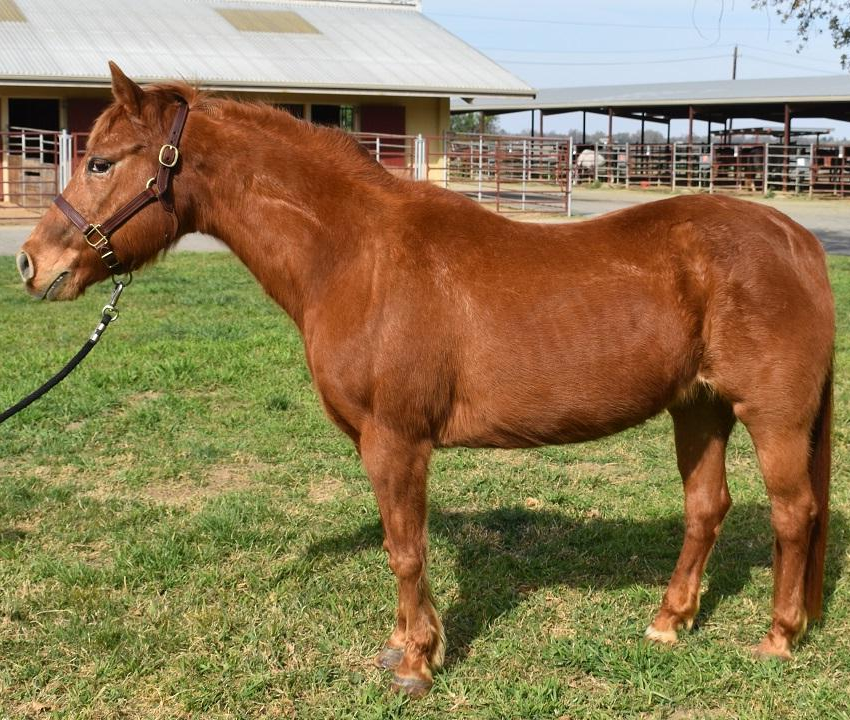
- Regional adiposity — a cresty neck, fat pads above the tailhead, behind the shoulder, or in the supraorbital hollows
- Current or previous episodes of laminitis, including subclinical or "footy" episodes
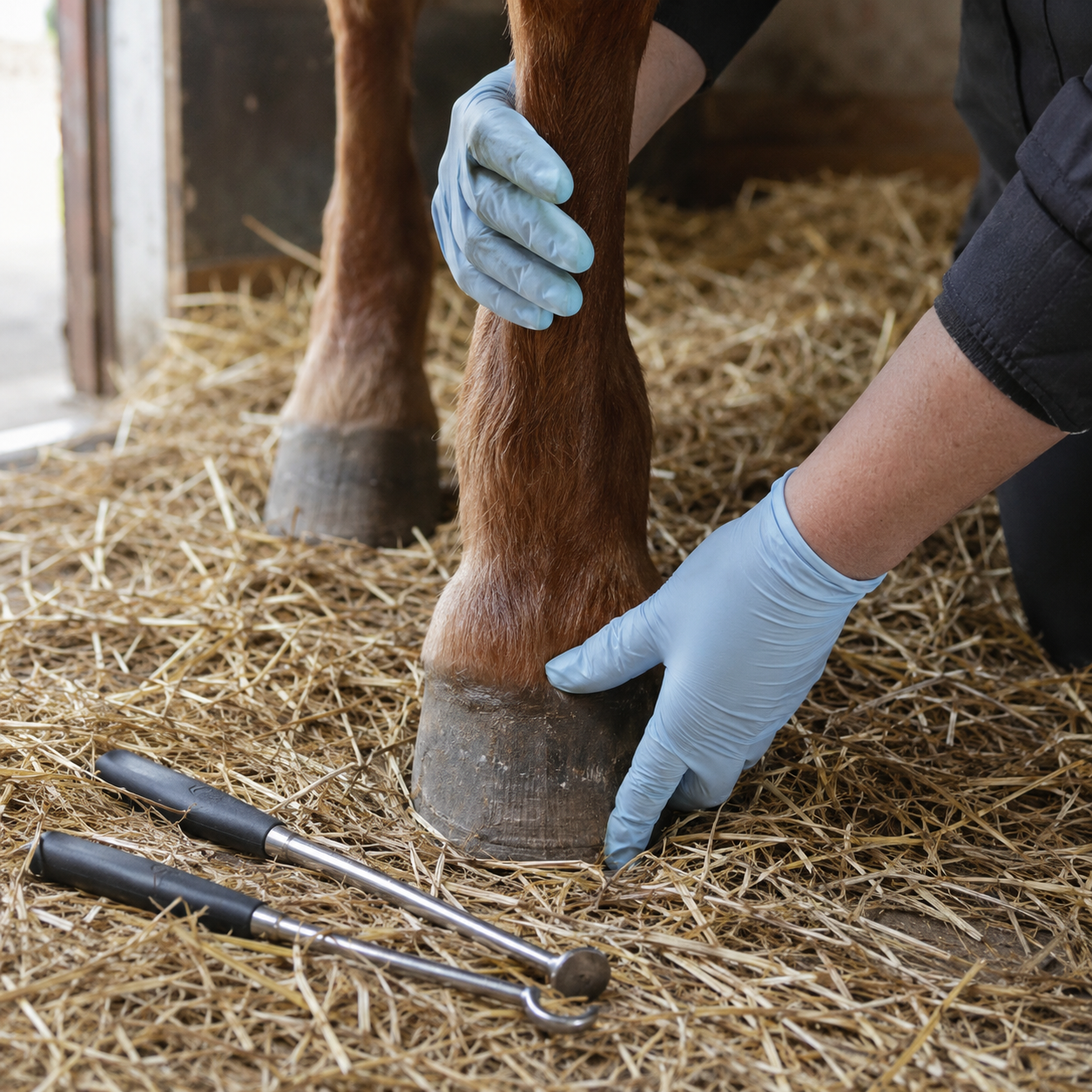
- Divergent hoof growth rings or a widened white line on farrier examination
- Increased thirst and urination
- Reduced performance, lethargy or reluctance to work
- Repeated laminitis flares following spring or autumn pasture growth
Certain breeds are over-represented, including ponies, Miniatures, Andalusians, Arabians, Morgans, Paso Finos and many native and warmblood types. However, EMS can occur in any horse, and a normal body condition score does not exclude insulin dysregulation.
Diagnosis
Diagnosis of insulin dysregulation relies on laboratory testing rather than appearance alone. Veterinarians typically use a combination of:
- Clinical examination, body condition scoring and cresty neck scoring
- Basal (resting) insulin concentration, interpreted alongside recent feeding
- Dynamic testing such as the oral sugar test (OST) to assess post-prandial insulin response
- Serum triglyceride and adiponectin measurement in selected cases
- Basal ACTH concentration to assess for concurrent PPID, particularly in older horses
- Radiographic assessment of the feet where laminitis is suspected or confirmed
Because a single resting insulin measurement can miss cases, dynamic testing is often preferred. Testing is best interpreted by the attending veterinarian in the context of the individual horse, its diet, and the season.
Foundations of Management
Dietary and management change remains the cornerstone of managing EMS, and no pharmacological approach replaces it. Veterinary-directed management typically focuses on:
Dietary Control
Restricting non-structural carbohydrate (NSC) intake, soaking hay where indicated, removing grain and high-sugar feeds, and using a ration balancer to maintain nutrient adequacy during restriction.
Pasture Management
Limiting or eliminating grazing during high-risk periods, using grazing muzzles, dry lots or track systems, and avoiding pasture during rapid growth, frost, or drought stress.
Exercise
Structured exercise improves insulin sensitivity in horses that are sound. Exercise must be withheld during active laminitis and reintroduced only under veterinary direction.
Hoof Care & Monitoring
Coordinated farrier and veterinary care, appropriate hoof support during laminitic episodes, and repeat insulin testing to monitor response over time.
Where concurrent PPID is identified, veterinary management of that condition is addressed alongside the metabolic picture. A proportion of horses, however, remain hyperinsulinaemic despite diligent dietary and management change, and it is this group that has driven research interest in pharmacological options.
Published Research on SGLT2 Inhibitors in Horses
Sodium-glucose cotransporter 2 inhibitors (SGLT2i), sometimes referred to as "gliflozins", are a class of compounds developed for human medicine that reduce renal glucose reabsorption, promoting urinary glucose excretion and lowering the stimulus for insulin secretion. Over recent years a body of peer-reviewed equine literature has examined this class in horses with insulin dysregulation. The following summarises key findings reported in that literature.
Regulatory Notice: No product is currently registered by the Australian Pesticides and Veterinary Medicines Authority (APVMA) for the treatment of hyperinsulinaemia in horses. Any use of these compounds occurs under veterinary prescribing frameworks and legal compounding pathways, at the clinical discretion of the treating veterinarian. Published outcomes vary between individual horses and should not be interpreted as guaranteed results. Compounding 4 Vet does not promote or advertise any specific compounded product for equine metabolic syndrome on this page.
Reported Adverse Effects and Monitoring
The published literature consistently emphasises the importance of veterinary monitoring. Reported observations across studies include increases in serum triglyceride concentrations, polyuria and polydipsia associated with urinary glucose excretion, and weight loss. Authors have noted that horses receiving these compounds should have ample access to fresh water at all times. A cross-sectional owner survey published by Sundra et al. (2025), which received 342 eligible responses, reported that ertugliflozin was the most commonly prescribed compound in this class, and that while a majority of owners reported improved quality of life for their horse, a minority reported no change or a worsening of clinical signs.
Decisions regarding monitoring intervals, bloodwork, and continuation or cessation of any treatment rest with the attending veterinarian.
Competition and Performance Horses: Compounds in this class are prohibited substances under the rules of most equestrian and racing authorities. Owners and trainers of competing horses should confirm current requirements with the relevant governing body, and discuss withholding periods with their veterinarian before any treatment commences.
The Role of Compounding Pharmacies
In the absence of a registered product for hyperinsulinaemia in horses in Australia, veterinarians may prescribe compounded formulations prepared by licensed pharmacies under applicable state and federal legislation. Because equine dosing is weight-dependent and long-term administration is common, formulation and presentation can materially affect how practical a treatment course is for the owner to maintain.
Compounding pharmacies work collaboratively with veterinary professionals to prepare individualised preparations as directed by the prescribing veterinarian. Veterinarians seeking information on available presentations, strengths and stability data are welcome to contact our compounding pharmacists directly or register for a professional account.
Frequently Asked Questions
Insulin dysregulation (ID) describes an abnormal insulin response, and it is the central feature of Equine Metabolic Syndrome. EMS is the broader clinical picture, which commonly also includes obesity or regional fat deposits and an increased laminitis risk. PPID (pituitary pars intermedia dysfunction, sometimes called equine Cushing's disease) is a separate endocrine condition of older horses, but a subset of horses with PPID also have insulin dysregulation. A horse can have EMS, PPID, or both, and your veterinarian can distinguish between them through testing.
Yes. While obesity and regional adiposity are common in EMS, insulin dysregulation can occur in horses with a normal or even lean body condition score. Body condition alone is not a reliable way to rule out the condition, which is why laboratory testing is recommended where there is clinical suspicion or a history of laminitis.
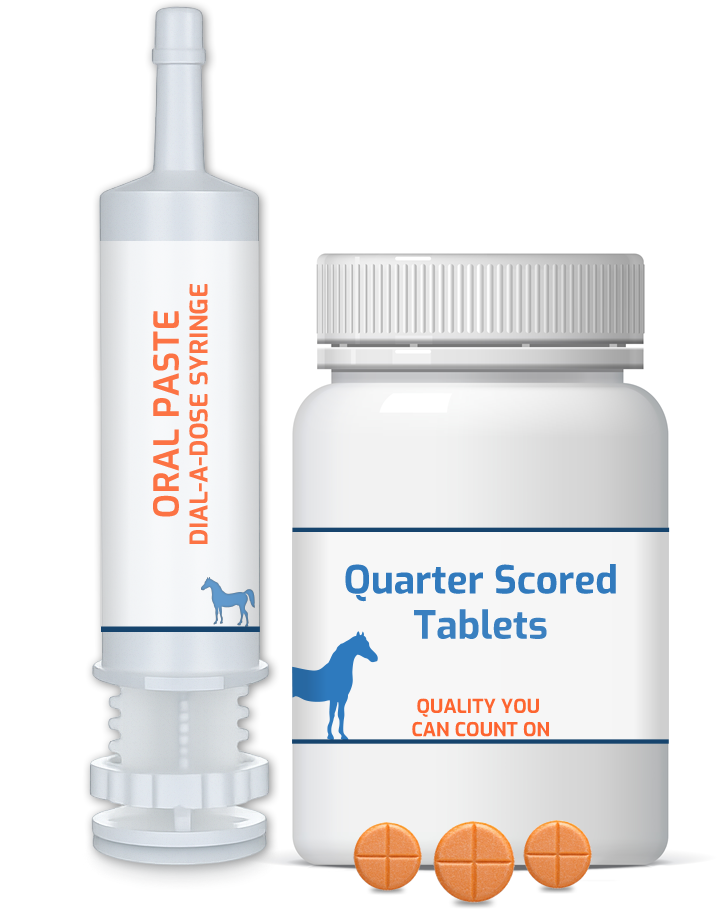
Published equine literature describes SGLT2 inhibitors being administered orally, with both compounded oral paste and tablet presentations described in practice. The choice of presentation is a clinical decision made by the treating veterinarian, taking into account the horse's weight, the required dose, ease of daily administration, and the owner's circumstances. Your veterinarian can advise which presentation is most appropriate.
Access to ertugliflozin for horses in Australia is available with a valid prescription, following assessment by your veterinarian. As a Schedule 4 (prescription-only) substance with no APVMA-registered product for equine hyperinsulinaemia, it is then compounded by a registered pharmacy to suit your horse's individual weight and dosing needs — ensuring the medication is legally sourced, quality-assured, and appropriately dosed.
Yes. The published literature is consistent that dietary and management change remains the foundation of managing insulin dysregulation, and pharmacological approaches are described as an adjunct rather than a replacement. Authors have noted that failure to maintain dietary and management recommendations may account for insulin concentrations rising again in some horses. Your veterinarian will advise on the appropriate combination for your horse.
Compounds in this class are prohibited substances under the rules of most equestrian and racing authorities. If your horse competes, confirm current requirements with the relevant governing body and discuss detection and withholding periods with your veterinarian before treatment commences.
Monitoring is directed by the attending veterinarian and typically involves repeat insulin testing, assessment of lameness and comfort, body condition and weight monitoring, and bloodwork that may include triglyceride concentrations. Published studies have reported increases in triglycerides in some horses, so ongoing veterinary oversight is emphasised throughout the literature. Horses receiving these compounds should also have constant access to fresh water.
Outcomes vary considerably between individuals and depend on the severity of the episode, the degree of structural change within the hoof, how quickly the underlying hyperinsulinaemia is addressed, and the quality of coordinated veterinary and farrier care. Some horses return to full soundness while others require ongoing management. Prognosis is best discussed with your veterinarian and farrier based on clinical and radiographic findings.
Speak With Your Veterinarian
If your horse shows signs of equine metabolic syndrome, has a history of laminitis, or has been diagnosed with insulin dysregulation, speak with your veterinarian about assessment and management options. Your veterinarian can evaluate your horse's individual circumstances and determine the most appropriate course of action.
Equine veterinarians seeking information about available presentations, strengths and stability data are welcome to register for a professional account.
References
- Sundra T, Kelty E, Rendle D. Preliminary observations on the use of ertugliflozin in the management of hyperinsulinaemia and laminitis in 51 horses: a case series. Equine Veterinary Education. 2023.
- Sundra T, Kelty E, Rendle D. Oral sugar test responses to ertugliflozin in ten horses with insulin dysregulation. Equine Veterinary Education. 2024.
- Sundra T, Matthews V, Rendle D. SGLT2 inhibitors: exploring the effects in humans and horses. Equine Veterinary Education. 2025;37:216–224.
- Sundra T, et al. Horse owner experiences and observations with the use of SGLT2i for the management of equine metabolic syndrome and hyperinsulinaemia-associated laminitis. Equine Veterinary Education. 2025;37:202–209.
- Menzies-Gow NJ, Knowles EJ. Sodium-glucose transport protein 2 inhibitor use in the management of insulin dysregulation in ponies and horses. Journal of Veterinary Pharmacology and Therapeutics. 2024.
- Kellon EM, Gustafson KM. Use of the SGLT2 inhibitor canagliflozin for control of refractory equine hyperinsulinemia and laminitis. Open Veterinary Journal. 2022;12(4):511–518.
- Kellon EM, Gustafson KM. Hypertriglyceridemia in equines with refractory hyperinsulinemia treated with SGLT2 inhibitors. Open Veterinary Journal. 2023;13:365–375.
- Durham AE, Frank N, McGowan CM, et al. ECEIM consensus statement on equine metabolic syndrome. Journal of Veterinary Internal Medicine. 2019;33(2):335–349.
- Equine Endocrinology Group. Recommendations for the diagnosis and management of equine metabolic syndrome (EMS) and insulin dysregulation. 2024.
Disclaimer: This page is intended for general educational purposes only and does not constitute veterinary advice, diagnosis, or treatment recommendations. The information provided is based on published scientific literature and should not be used as a substitute for professional veterinary consultation. Always consult a qualified veterinarian regarding your horse's health and treatment options. Compounding 4 Vet does not make any therapeutic claims about specific compounded products on this page.